A Creative Marketing Agency
BOISE, ID
Influencer marketing is when businesses tap into individuals with large followings on social media platforms (an influencer) to build brand awareness or boost sales. Typically, a business will provide products or discounts in exchange for posts and content by the influencer. Or, the influencer will get a portion of the revenue they generate back as commission, like 10%.
One thing you may not realize is there are different kinds of influencers. Influencers can range in number of followers and their specialities. Influencers tend to be separated into four categories: macro, micro, nano, and UGC. Companies when building out their influencer marketing strategy may choose to work with one type or a mix of the three. A strong influencer marketing campaign can use these different types of influencers together to help drive brand awareness, social media following, engagement rates, website traffic, and sales.
Macro influencers are big-time influencers. They have anywhere from 100,000 to 1 million followers. So not famous to the level of the Taylor Swifts and Dwayne Johnsons of the world, who would qualify as mega influencers, but still able to influence audiences on a huge scale. Some examples include Mr. Beast and Charli D’Amelio. Macro influencers tend to market a wide variety of products and services. So if your product or service works best with a specific niche audience, it might be better to look elsewhere.
Most companies work with micro influencers. Micro influencers are the middle ground influencers. Their followers range between 1,000 and 100,000 followers. Typically, these influencers have a specialty or industry, like natural health or fitness.
Nano influencers have the smallest audience of influencers — 1000 followers or less. However, these influencers tend to have high engagement rates. They may not have a huge following, but these followers are more involved and more likely to take recommendations. Also, these influencers are more likely to post content for a lost cost, or in exchange for free product.
UGC, or user-generated content creators, is a type of unpaid influencer marketing growing in popularity. These are typically creatives that don’t necessarily have a huge cult following but just love making videos and content for different brands. UGC creators typically post on the company’s page, not their own. This type of free content can help amplify a brand and give companies more examples of their products/services, which people identify with more and more nowadays.
Yes, influencer marketing is very effective! In 2022, the influencer market just in the United States was valued at 16.4 billion. On average, companies earn $5.78 for every dollar they spend on influencer marketing. Both of these stats from HubSpot show just how successful influencer marketing has been the last few years. And it just keeps growing! If you’re not doing it, you’re missing out on getting your brand noticed and a chunk of change.
While influencer marketing can definitely boost your brand and make your company money, keep in mind that a lot happens behind the scenes to get there. Here’s some of the biggest action items you don’t want to overlook.
The first step is making sure you select the right influencers for you. If you have a good idea who your buying persona is, use that! Imagine you are trying to reach that persona. What does he/she care about? Who does he/she relate to? What social platforms does he/she use? For example, you wouldn't want to pick beauty influencers or pet influencers for a fitness brand. And if your demographics primarily use TikTok, you want to select fitness influencers with a strong TikTok following.
You want to make sure the influencers you pick match up with your persona and brand ideals. Even if the influencer has millions of followers, it won’t matter if they primarily care about makeup and you’re selling hunting gear. After all, the influencer will be representing your brand.
Besides, most influencers only take on the right fit for them and their image as well. So before reaching out, do your homework to make sure it’s worth opening up the conversation. If they aren’t a perfect fit, then there’s more out there!
Okay, so you’ve been in contact with some awesome influencers for your company. Now what? This is where content comes in. You need to give them resources like a brand guide, product/services information, voice guide, etc. Also, any previous content you have created or an example from another company you liked. Then they have a starting point to get creating content that align with your brand and your goals.
If you have worked with influencers in the past, or you have an idea of what you’re looking for, you can also give them an example post. The more you give them to work with, the better. But remember to keep it simple and easy to follow. No one wants to parse through a textbook of company jargon.
Where companies go wrong at first is skipping this step and leaving influencers to come up with the content themselves. Some influencers can make it work if they are more experienced and your website has helpful messaging. But for the most part, during the initial stages, you want to guide the content so it meets your expectations. Then, later on, you can let the influencers get creative and come up with content themselves, once they understand your brand.
If you’ve worked in sales, you know follow up is everything. And wow is that true for influence marketing. You need to follow up with influencers regularly to make sure they are on track to post.
For example, when you send out packages with products to influencers, you want to check in with them about receiving it and what to expect next. You also want to follow up on posts and engagement, so you can make helpful tweaks along the way. When you don’t follow up, influencers fall through the cracks. You end up sending out package after package with no return. That’s what we want to avoid.
Think of influencers as a relationship. You want to create connection and investment. Little things go a long way in building that relationship. One example: if they just celebrated a birthday or anniversary, you can send them flowers and a card. Or, if you know they love something like Starbucks, you can send them a gift card. The small details are what makes the difference.
I’ve been on both sides of influencer marketing. I’ve managed influencer campaigns for different companies and brands. Currently, I'm a partner at Tuuti, which among many categories is an influencer marketing agency in Boise. On the flip side, I’ve been an influencer for a variety of different brands and would call myself a micro influencer and content creator.
Doing both parts of influencer marketing, I have a unique perspective on what makes it successful. Let’s look at two examples of campaigns I’ve personally worked on — and tips for what makes the biggest difference for gaining traction.
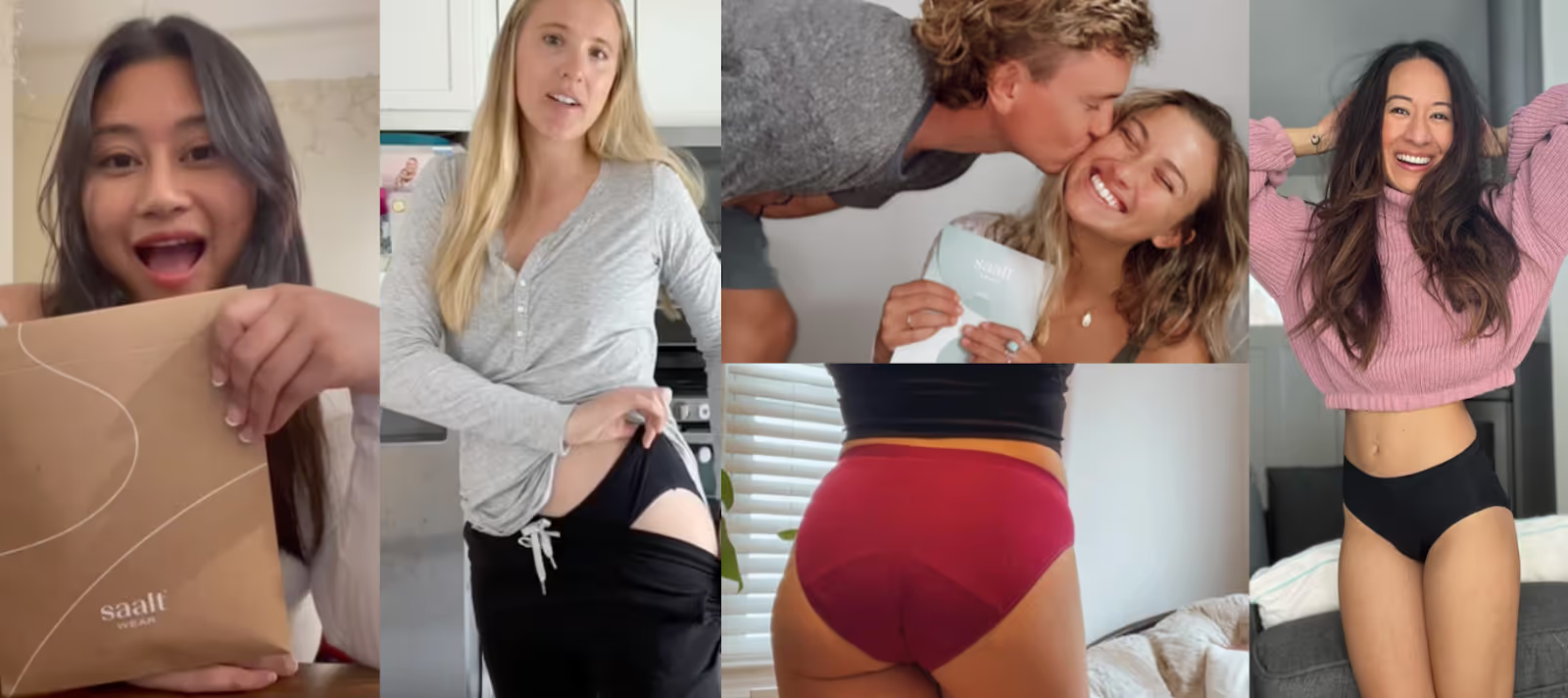
For Saalt, a reusable period care company, I focused on a gifting campaign to get smaller micro and nano influencers. I had three tiers of influencers based on their following, which also determined how much free product I gave out.
Here’s the breakdown of this influencer marketing campaign:
Tips for this type of campaign:
On the flip side, one of my favorite campaigns I participated in as an influencer was promoting Sarah Jessica Parker Wine. I was given 3 bottles of wine and paid for my work.
Here were some of my results:
Tips directly from an influencer:
This is just the beginning of influencer marketing and management. So much goes into a successful social campaign, which is why many professionals nowadays focus just on influencer marketing. If you’re new to influencer marketing, or still trying to ramp your current plans, stick with it! Sometimes, it may take several months before all your hard work pays off. But at the end of the day, influence marketing has huge potential to build brand awareness and impact ROI. And it only keeps trending upwards!