A Creative Marketing Agency
BOISE, ID
When discussing branding services, we often get asked the difference between a brand guide and a voice guide, and why they even matter in the first place. It’s simple really — building a strong brand isn’t just about having a great logo or a catchy tagline (although we love both those things!). A strong brand is about creating an identity that feels consistent and recognizable across everything you do. Whether someone’s scrolling through your social media, visiting your website, or opening an email from your team, they should immediately know, Yep, that’s them.
But how do you make sure your brand feels like your brand every single time? That’s where brand guides and voice guides come in. Think of them as your brand’s playbook — one for the look and feel, and the other for the tone and personality. Together, they help your team stay on the same page, no matter who’s designing, writing, or creating.
Let’s break down the difference between the two, why you really need both, and how to avoid common mistakes when building them. Whether you’re starting from scratch or looking to level up your brand game, we’ve got tips to help you nail it.
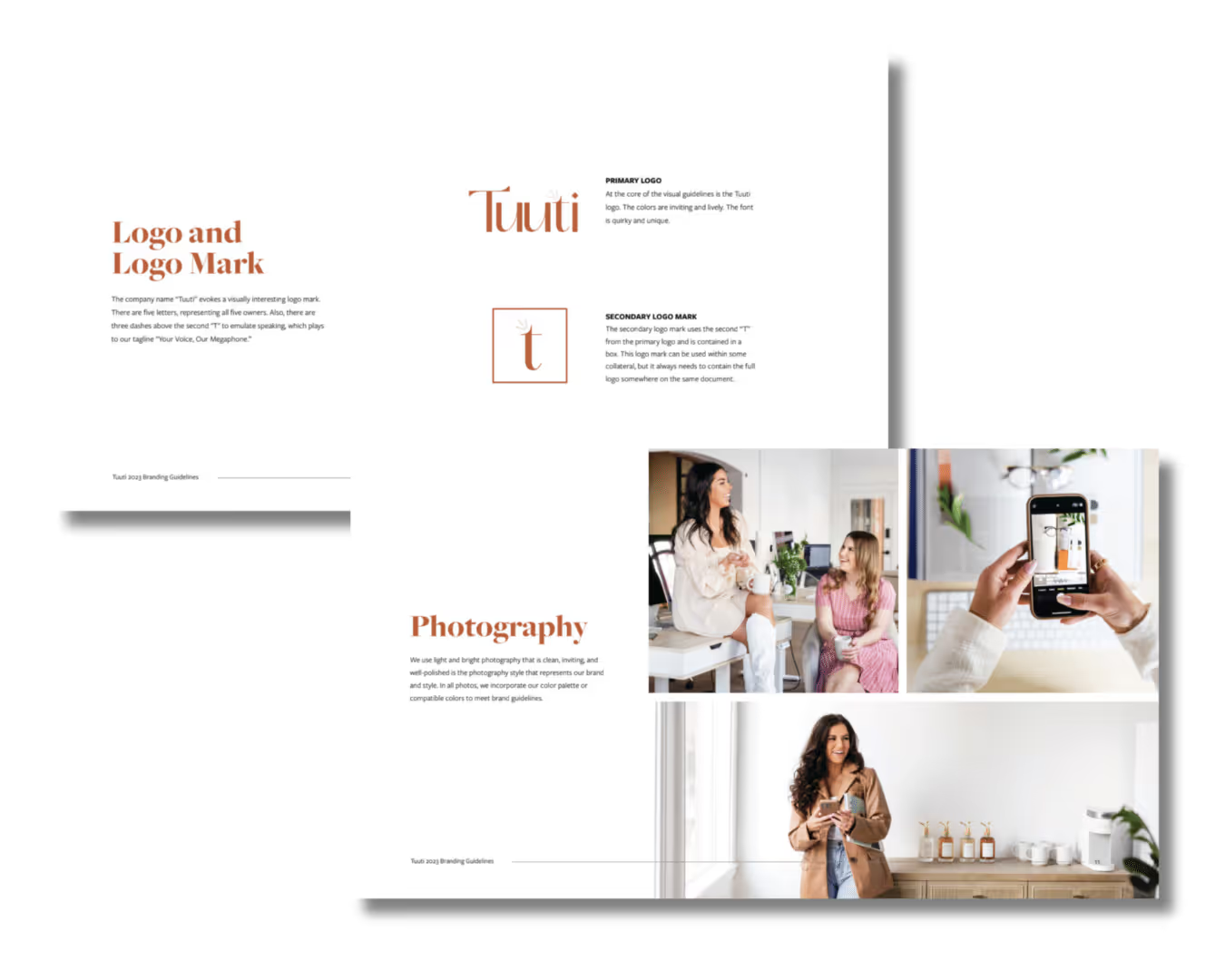
A brand guide is a comprehensive handbook for all things brand-related. It’s meant to give readers, usually marketers or designers, an in-depth look into a company’s brand identity. It acts as the ultimate reference point for ensuring that your brand’s visual and thematic elements are consistent across all platforms and materials.
As you might expect, brand guides typically outline visual standards for branding, including the following areas listed below.
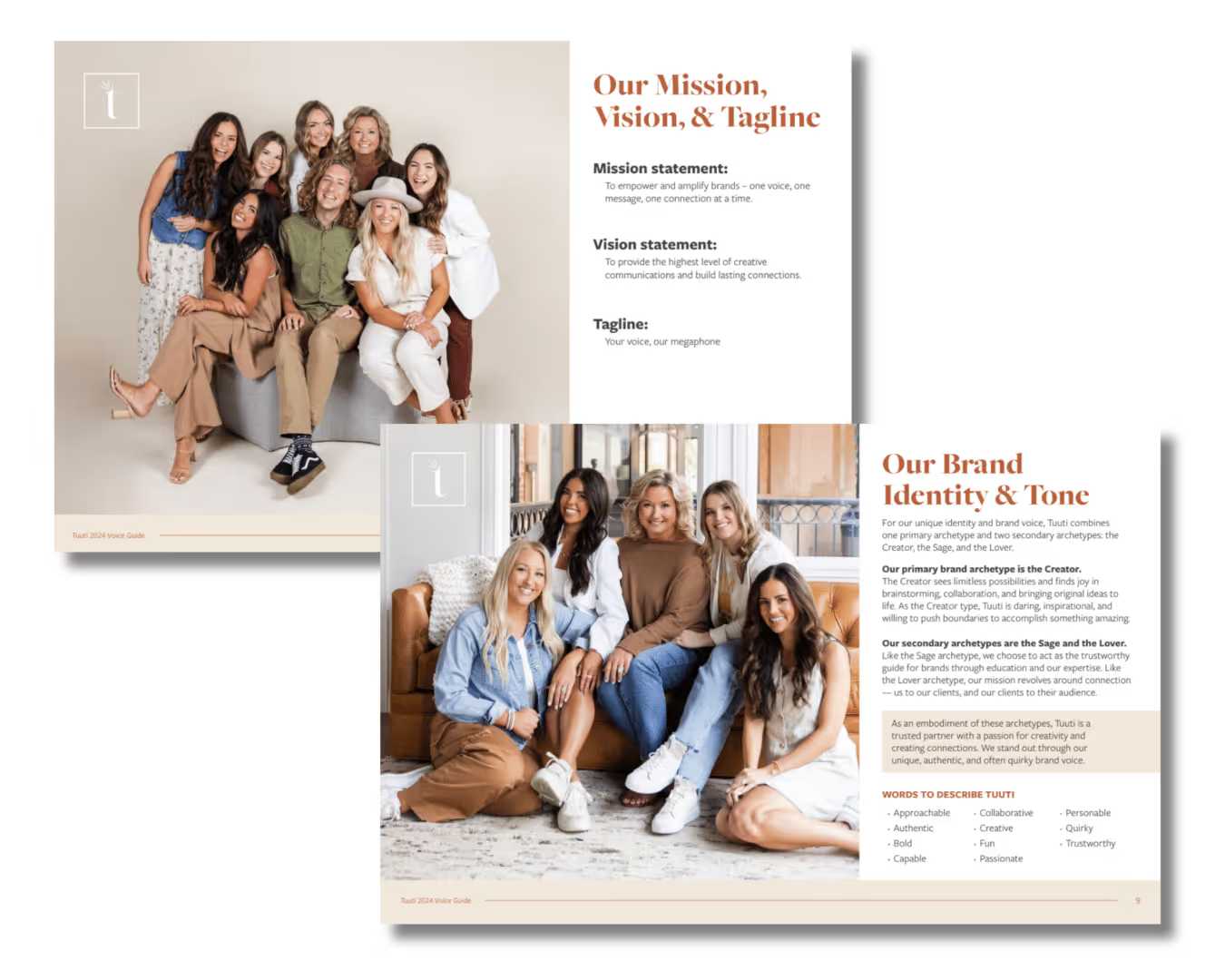
A voice guide is a set of standards for all brand-affiliated communication. It defines how your brand “sounds” in written and verbal communication, shaping the tone, personality, and style of your messaging. Essentially, it’s the verbal counterpart to your brand guide. A voice guide is the best way to maintain consistency across all forms of written content, especially if you have multiple content creators or collaborate with external creators.
Voice guides are highly customizable per brand but may include any of the following areas listed below.
The terms “brand guide” and “voice guide” are often used interchangeably in business settings, but there are differences between them. A brand guide is your go-to guide for visual standards. A voice guide does not include design guidelines, but instead expands on your brand storytelling, messaging, and values. Think of a voice guide as an extension of your brand guide, geared towards content creators and writers.
While brand guides and voice guides serve different purposes, they are two halves of the same whole when it comes to building a cohesive, memorable brand identity. Each guide contributes unique value, but their true power lies in how they work together.
A brand guide ensures consistency in your visual identity. It helps your team and external partners maintain a unified look across all materials — whether it’s a business card, website design, or billboard. Visual consistency isn’t just about looking good; it builds recognition and trust. When customers see the same colors, logos, and design elements repeatedly, it strengthens their connection to your brand.
A voice guide, on the other hand, ensures consistency in how your brand communicates. From blog posts and email campaigns to social media captions and customer service responses, your voice sets the tone for your relationship with your audience. It’s what makes your brand sound approachable, authoritative, fun, or professional.
Without the other, you’re missing a key part of your brand identity. For example:
So yes, to set your brand up for success, you need both guides. Think of your brand guide as the "what" of your brand (your look and feel) and your voice guide as the "how" (your message and tone). Together, they amplify your brand’s presence and impact.
Having brand and voice guides allows your team to move confidently and efficiently. Whether you’re launching a new product, running a cross-platform campaign, or responding to customer inquiries, these guides ensure that everyone — from leaders to designers to copywriters — understands the brand’s “rules of engagement.” See the list below for the many different people who touch your brand and may benefit from these guides.
When it comes to creating and using brand and voice guides, it’s easy to run into pitfalls that can undermine your efforts. Avoiding these common mistakes can save your team time and ensure your brand stays strong and consistent.
Some companies focus heavily on either their visual branding or their voice but overlook the other entirely. A stunning visual identity without a consistent voice can feel hollow, while a great voice without cohesive visuals can seem disorganized. To truly stand out, you need both guides to work in harmony.
While broad principles are helpful, overly generic instructions (e.g., “Be professional” or “Make it look clean”) won’t give your team or collaborators the clarity they need. Be specific about what your brand’s tone sounds like, what fonts and colors to use, how to apply your logo across platforms, etc.
On the flip side, overly complex guides can overwhelm your team and discourage regular use. A guide with dozens of pages of design rules and messaging nuances may seem thorough, but if no one reads it, it’s useless. Focus on the essentials first and make it easy to reference.
Creating guides is only the first step. If your team doesn’t understand how to use them, inconsistencies will creep in. Invest time in training employees on how to apply the guides in their work and provide examples of “on-brand” vs. “off-brand” content.
Your guides should reflect not only your brand but also your target audience’s preferences and expectations. Failing to align your tone and visuals with what resonates with your target audience can weaken your brand’s impact.
Different channels and platforms may require slight adaptations of your brand voice or visuals. For example, the tone you use in your newsletter might differ slightly from your Instagram captions. While your guides should set a foundation, allow some flexibility for context.
Your brand and voice guides shouldn’t gather dust in a shared drive. Brands evolve, and so should your guides. Regularly revisit and refine them as your company grows or as you explore new marketing opportunities. Additionally, encourage feedback from your team to ensure the guides are practical and user-friendly.
To get an idea of what others are doing, research different brand and voice guides. Many companies use document design software like Adobe or Canva to develop their material, but Word or Google documents can work for shorter, simplified guides. Once you have some inspiration, here’s some steps to get started:
And there you have it folks! That’s a crash course on how to get started with your brand and voice guides. Remember to take the time to develop guides that reflect your brand’s personality, values, and goals so your unique brand identity shines through.
Ready for the next step in your brand journey? Reach out to the Tuuti Team to learn more about our branding services and help create a personalized brand guide and voice guide. We’re already excited to bring your brand story to life!