A Creative Marketing Agency
BOISE, ID
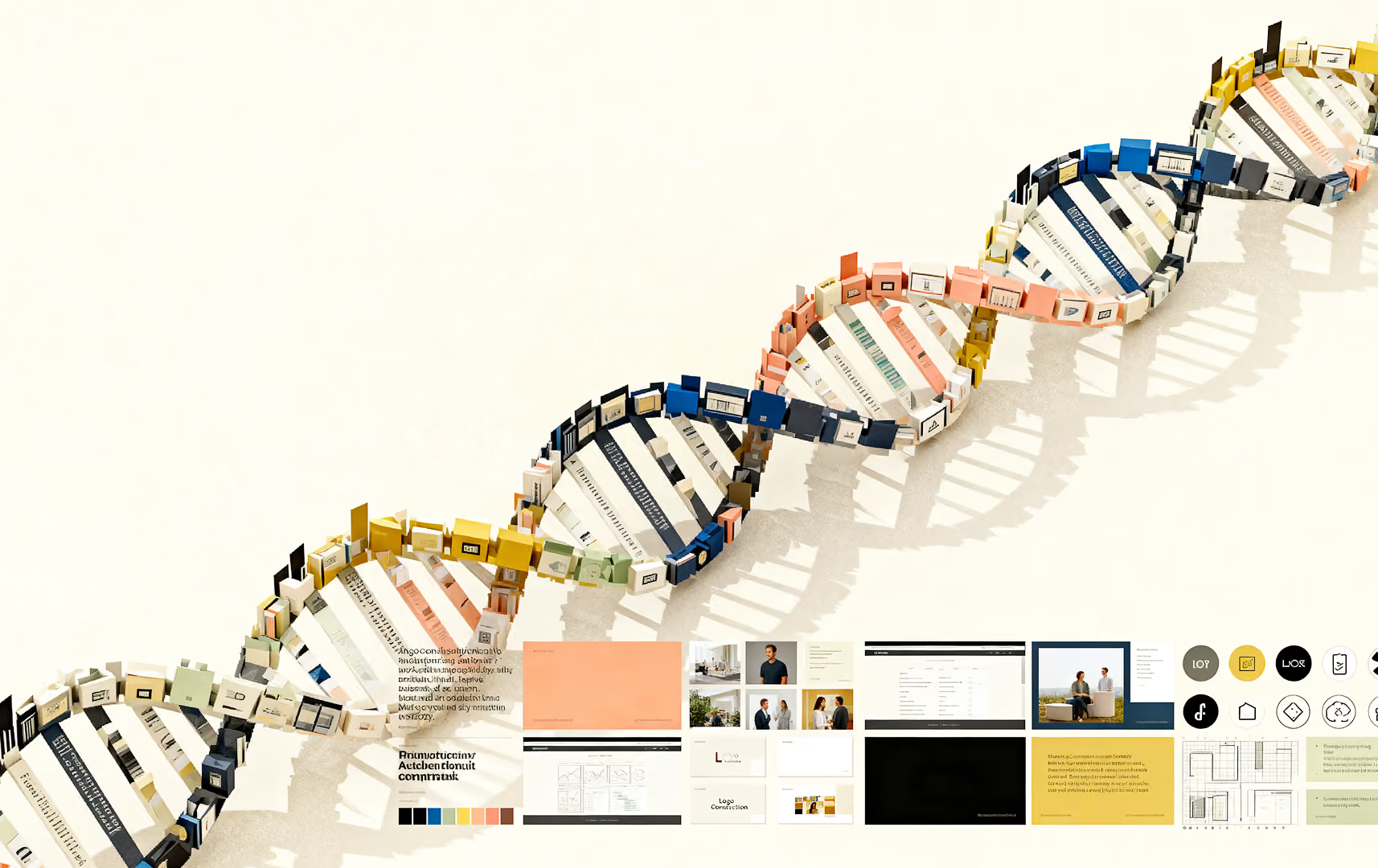
As the Art Director for a marketing agency, something I hear all the time is, “isn’t branding just a nice logo?” Actually, branding is a powerful science that influences how people perceive, feel, and react to your company. At its core, branding is about creating meaningful connections and establishing a unique identity that resonates with your audience.
In this article, let’s delve into:
✔️ What is branding and why it matters
✔️ The psychology behind branding
✔️ How branding shapes consumer behavior and perception
✔️ What steps you can take to reach your target audience
So what even is branding? Branding encompasses the creation and management of a brand’s identity, including its name, logo, colors, messaging, and overall market presence. It’s about how a brand is perceived in the minds of consumers and how it differentiates itself from competitors.
Why does branding matter? Effective branding matters because it helps businesses establish a distinct identity and build trust. It’s where you start to lay the foundation for customer or client relationships. Think about it… when you first interacted with our brand, what did you notice? More than likely, it had something to do with our color schemes or logo.

Let’s talk psychology! As you may have experienced for yourself, branding is a powerful tool that can invoke unique physiological responses. Here’s a quick overview of what happens when someone interacts with a brand.
Branding plays a significant role in eliciting emotional responses from consumers. It makes you feel something — joy, trust, nostalgia, inspiration, etc. For example, Coca-Cola uses a warm color palette of red and white, which evokes memories of holidays and shared moments. On the other hand, Apple’s sleek, minimalist design elements convey a sense of modernity and innovation, making you aspire to be part of the future. Without even realizing it, you start experiencing emotions when you interact with a brand.
Branding influences consumer perception through cognitive processes like brand recall and recognition. Your brain is constantly sorting and categorizing, and branding taps into this by creating strong mental shortcuts. Consider how the color green is often associated with health and sustainability, which is why Whole Foods uses it prominently. Or think about how Volvo uses a shield emblem, instantly conveying security and trustworthiness. These visual cues quickly form connections in your mind, leading to positive impressions.
Ever wonder what creates avid brand fans? Lots goes into brand loyalty, including branding elements. When you continue to interact with a brand, it affects the part of your brain responsible for emotion and memory. Your brain can even release dopamine — you know, the neurotransmitter associated with pleasure. For example, think of the iconic swoosh sound that Netflix uses when starting a show. This little branding element taps into your sense of routine and comfort, setting the stage before you get sucked into the next episode of Love Island. It may be a little thing, but it’s the small details in branding that create lasting connection.
Now that we know how branding can make you feel, let’s review the key elements of branding to create meaningful connection with consumers.
This is where I spend most of my time as an Art Director! The visual aspects of branding — such as logos, colors, and typography — are critical in shaping first impressions and reinforcing brand identity. Consider how often you recognize or think of a brand based on its visual identity. Nike’s swoosh is so iconic you don’t even need the brand’s name to recognize it! Meanwhile, Disney’s well-known whimsical font immediately transports you into a fairytale when you see it. These two brands are obviously some of the most popular in the world, and a strong visual identity made it all possible.
The tone, language, and storytelling used in branding also communicates a brand’s values and personality. For example, Wendy’s is renowned for its playful, witty tone, particularly on social media. In contrast, luxury brands like Audi adopt a more confident, suave tone to convey a sense of refinement and high-status. Effective branding seamlessly integrates a brand’s voice with visual identity to create a cohesive brand identity.
Last but not least, to have effective branding you need consistency across all brand touchpoints! Whether through digital channels, physical products, or customer/client interactions, a unified brand experience reinforces credibility and builds trust. If you have multiple writers, creators, and sales reps, establishing a Brand Guide and a Voice Guide can be extremely helpful to make sure everyone is on the same page for how to represent your brand.
So how do you know if your brand is doing a good job reaching your target audience, or if you need to consider rebranding yourself? There’s lots of indicators your brand experience is on-point, but this is where I’d recommend starting:
Are you ready to work on a rebrand, or are you starting from scratch? Either way, here’s a roadmap to help you get started on creating a powerful and cohesive brand identity.
Building a strong, distinctive brand is both an art and a science. It’s about understanding the psychology behind branding and using that knowledge to create meaningful connections with your audience. Take the time to assess your current branding efforts and look for ways to enhance them. Remember, the success of your brand isn't just about where you are now; it's about where you're headed. Your brand’s future is in your hands, and with the right approach, it can be incredibly bright.
Want help creating your unique brand identity? We’re game! Reach out to the Tuuti team to get the ball rolling.