A Creative Marketing Agency
BOISE, ID
Holiday marketing can look effortless from the outside. But behind the scenes, the strongest campaigns have a lot more going on than a promo code and festive creative.
Q4 moves quickly, so brands need enough lead time to get the story right before the season gets crowded. The opportunity is big, but so is the competition once the holiday rush swarms in. Planning early gives the campaign more room to get every piece under the tree or in stockings (or wherever gifts end up) before go-time.
So, what goes into making Q4 holiday marketing work? Let’s unwrap it.
The holiday campaign may show up in November (or for the spooky fun brands out there, October), but the planning can start months before that. There’s plenty riding on those few weeks, too.
According to Adobe, U.S. consumers spent $257.8 billion online during the 2025 holiday season, making Q4 a major opportunity for brands ready to show up with a plan.
How early depends on how big you want to go. A smaller seasonal push may come together relatively quickly, while a campaign with original creative, production, paid media, website updates, and multiple launch phases needs more runway for your sleigh.
The audience is getting an earlier start, too. In 2025, 42% of holiday shoppers planned to begin browsing and buying before November, according to the National Retail Federation. That means brands have a longer runway to build awareness before the biggest shopping days arrive.
And shoppers are doing their homework. Google found that 83% of holiday purchases in early October 2025 had been researched beforehand, up from 77% during the same period the year before.
By the time Black Friday rolls around, plenty of purchase decisions are already underway.
Starting early gives brands more time to decide what they want the campaign to say and how far they want it to travel. It also leaves room to make adjustments before December starts breathing down everyone’s neck.
Holiday shoppers love a good deal. No argument there. Google reported that 60% of U.S. consumers said promotions and discounts influence their purchasing decisions. Price can absolutely help get someone over the finish line.
But a holiday offer should make sense for the brand and for the business behind it. Going deeper on discounts during the happiest of seasons may pull in more attention, but it can also change margins or train customers to wait for the next sale. The offer has to earn its place in the larger campaign.
And while you’re getting into the holiday spirit, make sure the brand voice and messaging comes along for the ride. Once Q4 gets going, everyone suddenly has a “can’t-miss” deal and a “perfect gift.” Brands that sound exactly like the rest of the holiday inbox clutter make it much easier to be desensitized and scroll past them after the information overload.
This is where voice and positioning come back into play. The campaign should still feel like the same brand people recognize the other months of the year.
So yes, use the holidays to get creative and have fun. Just make sure the gifts are still wrapped by you.
Social media gets especially turbocharged once seasonal shopping mode kicks in. People are already scrolling for ideas, saving products, sending links, and checking what other people recommend. That makes social media a natural place to build interest before someone is ready to buy.
It is also sending more shoppers directly to e-commerce sites. During 2025 Cyber Week, Salesforce found that social media drove 16% of U.S. digital traffic to retailers’ websites. TikTok alone accounted for 9% of global social traffic during the week, up 55% year over year.
That puts social media in a much more impactful role than decorating the feed with festive memes.
Organic and paid work best when they work in tandem. Organic content can help audiences get familiar with the campaign and give the brand room to show more personality around the offer. Paid media can give that creative to more eyeballs and keep the campaign in front of people as intent builds.
Someone who discovers a product through an organic reel should recognize the campaign when a paid ad appears later. The visuals may change and the message may get tighter, but the idea underneath should still feel familiar.
Q4 also tends to bring more advertisers into the mix, which means the media budget has more work to do. If holiday marketing is expected to deliver more than an average month, the investment behind it needs to match the ask.
Holiday shopping rarely happens in one neat trip from ad to checkout. Someone may notice a product on social media and look it up on Google, or ask ChatGPT about it later. A paid ad triggers the cycle, while an email finally sends them to the site when they are ready to buy.
Google found that 61% of shoppers interact with five or more touchpoints during an online purchase journey. Its holiday research also found that 71% of U.S. holiday shoppers are omnichannel.
That pipeline movement is exactly why the campaign needs to hold together wherever someone finds it. This is exactly what Tuuti used for Camille Beckman’s “Her Hands Are Home” holiday campaign, where one central story carried across commercial creative, media, and social content.
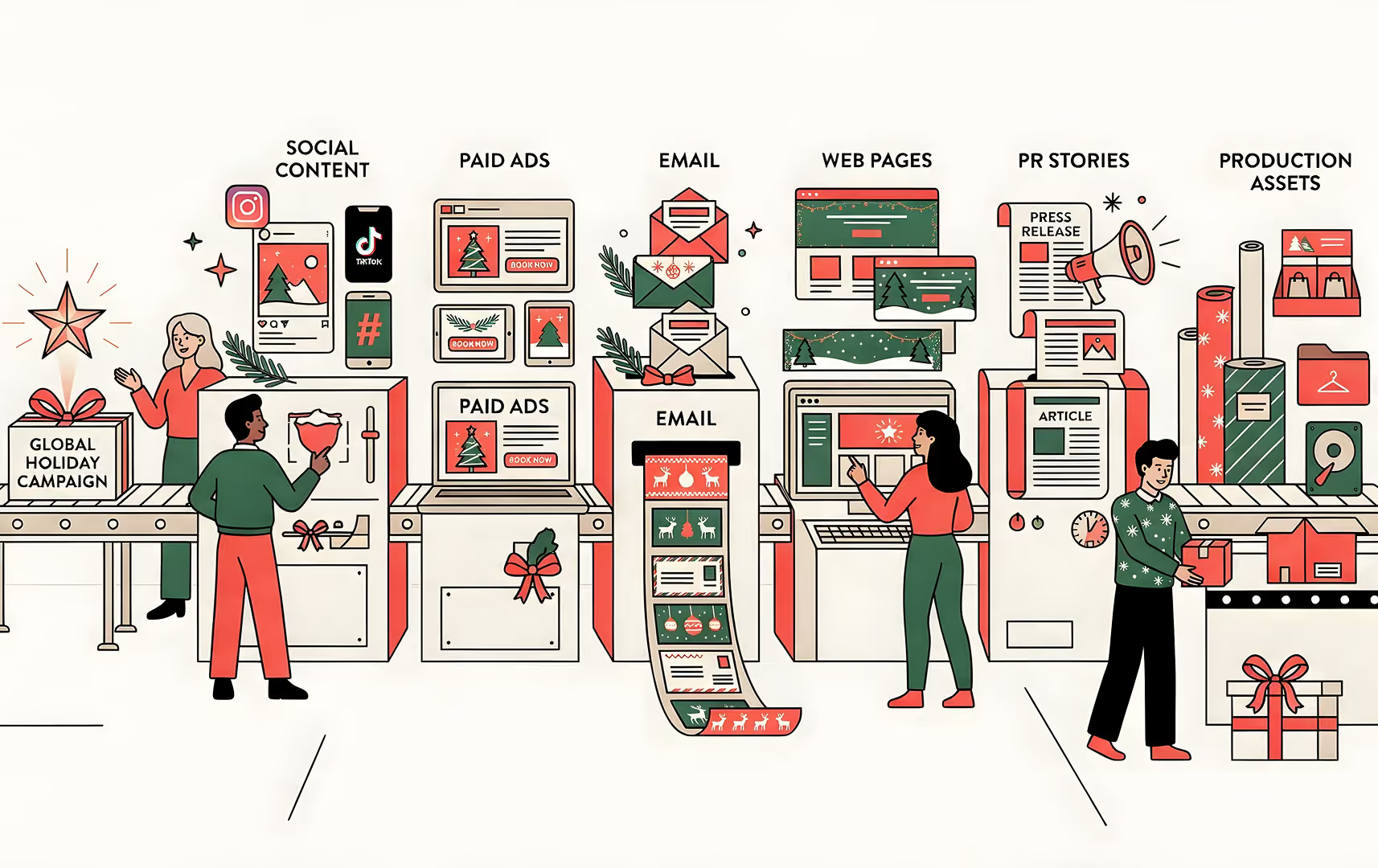
The website should feel like what the campaign promised, with the same merry-and-bright energy carrying through once someone clicks. Email can pick up the story from there, while paid creative pushes the offer harder without losing the campaign look and messaging people already recognize.
Each channel can do a different job without feeling like it came from a different campaign. When those pieces recognize each other, the campaign starts to feel bigger than any individual post or ad. That’s the marketing ecosystem doing its job.
B2B brands do not have to spend Q4 watching retail have all the fun .Instead of building the season around a shopping promotion, B2B companies may have more to say through PR and year-end storytelling.
Community involvement can also open the door to timely stories when there is already meaningful work happening behind them.
GivingTuesday offers a good example of just how much attention surrounds giving during this time of year. In 2025, 38.1 million people participated in the U.S., generating $4 billion in donations.
For companies already supporting local nonprofits or community initiatives, Q4 can be a natural time to bring more visibility to that work.
The story has to come first, though. A giveback initiative created solely because December needs a feel-good press angle is going to feel exactly like that.
When the connection is meaningful, PR can help the story travel across the world-wide web. That attention can then carry into the company’s own channels, giving social and email more substance than another generic holiday greeting.
So yes, B2B can be festive. But it’s okay to not borrow everything on what the retail playbook is executing.
Holiday marketing comes with plenty of individual decisions, and it is easy to start treating each one like its own little project. It’s also where campaigns begin to feel scattered and everyone is freaking out meeting the holiday deadlines.
A stronger Q4 approach starts with the big idea and lets the channels build from there.
Each piece has its own job, but the campaign works best when everyone is caroling from the same holiday songbook.
That kind of planning also helps brands get more out of the work they have already invested in. A strong central idea can keep giving throughout the season, with each channel finding its own way to bring it to life instead of starting over every time another asset is due.
At Tuuti, this is where we come in. We keep the strategy and execution wrapped around the same gift-giving plan, so the campaign feels connected wherever it shows up bringing good cheer.
Q4 already comes with enough packed calendars. Your campaign should help cut through the holiday rush instead of adding another last-minute fire drill to the list.
So before the stockings go up and the promo codes start flying, give the campaign a strategy with enough holiday magic behind it to see the whole season through.
Planning a big campaign or looking ahead to the next holiday season? Contact Tuuti, and let’s put some strategy behind the sparkle.